
 Featured
Stripe
Screenshots
 1 / 2
1 / 2The Story
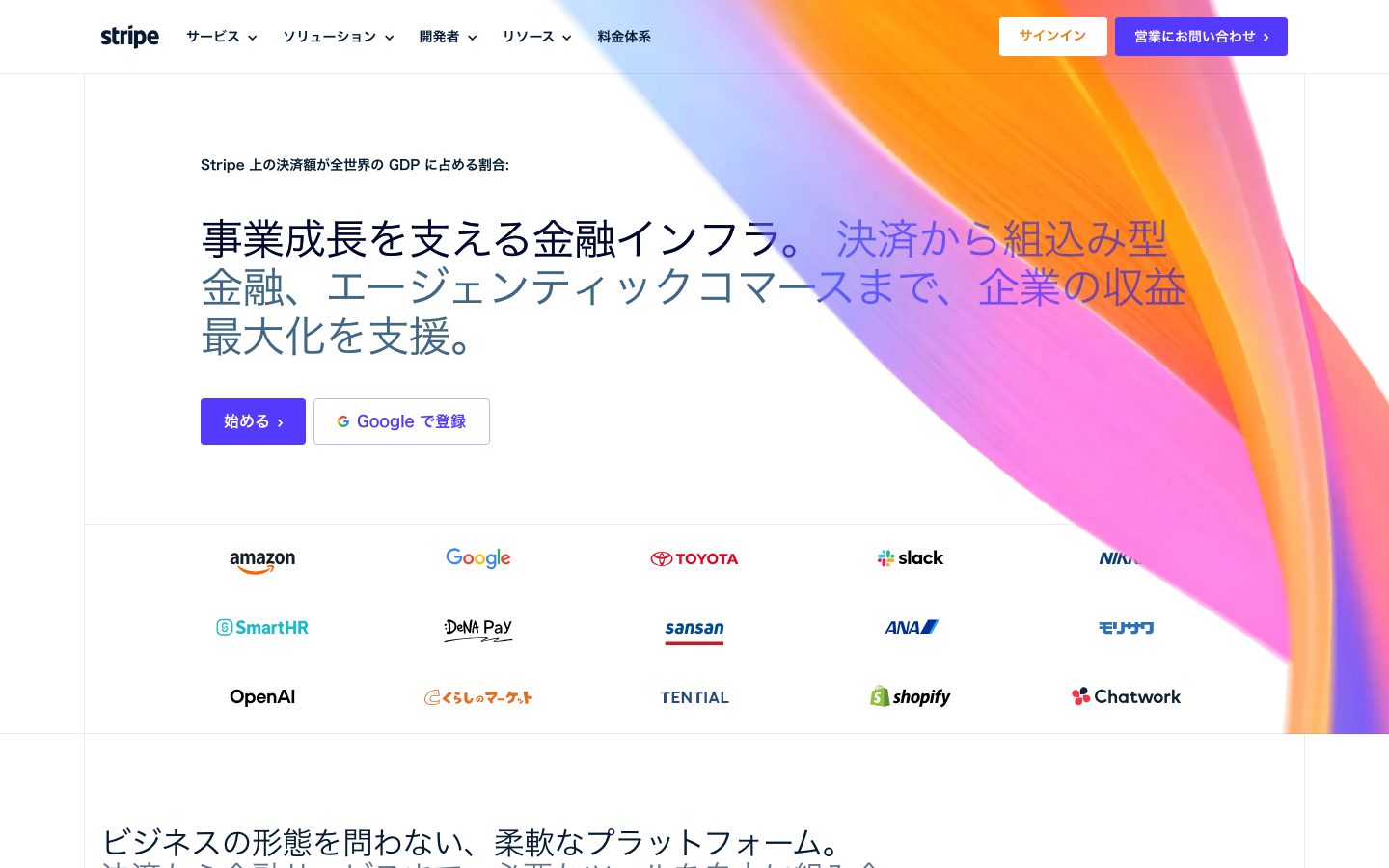
Stripe is a payments platform that handles card and alternative payment methods, subscriptions, invoicing, and the money movement around them. A developer integrates through an API and hosted or embedded components, and the platform absorbs the network of acquiring banks, card networks, and local payment methods behind that interface.
The breadth is the reason it is the default choice for online businesses. Beyond accepting a payment, the platform covers subscription billing with proration and trials, usage-based metering, invoicing, tax calculation, fraud screening, and payouts to connected accounts. Each of those is a product in its own right that a team would otherwise build or buy separately.
The tradeoff is cost and control. Pricing is per transaction and adds up at scale, which is why larger businesses negotiate rates or move some volume to a direct acquirer. The platform is also opinionated about the merchant of record and the payout model, so businesses with unusual money-flow requirements sometimes find the constraints binding.
Overview
Stripe's scope is wider than accepting a card: it covers the recurring revenue and money movement that surround a transaction.
Accepting a payment is the entry point. A developer creates a payment intent on the server, and the client confirms it with a hosted form or an embedded component, so card data never reaches the application's own servers. The same API covers wallets, bank debits, and local payment methods across regions, which means a business expanding into a new market usually adds a payment method rather than a new processor.
Around that core sits the billing layer. Subscriptions handle trials, proration, plan changes, and dunning; metered billing reports usage and turns it into an invoice; invoicing covers one-off and recurring documents with tax calculation. Fraud screening and dispute handling are built in rather than assembled from third parties.
The cost model is per transaction, which is simple at small volume and material at large volume. Businesses above a certain scale negotiate rates or route some volume to a direct acquirer. The platform also defines the merchant of record and payout structure, so unusual money-flow arrangements can be constrained by it.
Key Features
- Broad payment method coverage
Cards, wallets, bank debits, and regional methods are reachable through one integration, so expansion adds a method rather than a processor.
- Subscription billing
Trials, proration, plan changes, and dunning are handled by the platform rather than built on top of raw charges.
- Usage-based metering
Reported usage is aggregated into invoices, which is how metered and hybrid pricing models are billed.
- Tax and invoicing
Tax calculation and invoice documents are part of the platform, reducing the number of adjacent vendors a finance team needs.
Where Stripe is a strong choice, and where it is not
Choose Stripe when the business needs broad payment method coverage and a billing layer that handles subscriptions, metering, and invoicing without assembling several vendors.
Look elsewhere if transaction cost dominates at your volume and a direct acquiring relationship is viable, or if the business model requires a merchant-of-record or payout structure the platform does not support.
Getting started
A test payment works in an hour; going live is a review process.
- ~1 hourTime to first test payment
Create a payment intent server-side and confirm it with the hosted form. Test mode requires no approval.
- Per transactionCost to start
No monthly fee. A percentage is charged per successful transaction, plus extra for billing and tax products.
- A serverPrerequisites
A backend to create payment intents and receive webhooks. Card data never touches your server.
Known limitations
Constraints confirmed from the platform's documentation.
- Going live requires verification. Business and identity checks must clear before real payments are accepted.
- Cost scales linearly with volume. The percentage is simple at small scale and material at large scale, where rates are negotiable.
- Payout timing is not instant. Funds settle on a schedule that depends on the account and the region.
- Chargebacks are yours to handle. Disputes carry a fee and require evidence within a deadline.
Pick Stripe when you need breadth and a billing layer
It covers card and alternative payment methods along with subscriptions, invoicing, and tax, so several vendors collapse into one.
The differentiator is scope behind one API: a business expanding into a new market usually adds a payment method rather than a new processor.
If transaction cost dominates at your volume and a direct acquiring relationship is viable, that becomes the cheaper path.
FAQ
What is Stripe?
Stripe is a payments platform that handles card and alternative payment methods along with subscription billing, invoicing, tax, and payouts.
Is Stripe free?
There is no subscription fee to start; Stripe charges per successful transaction plus additional fees for products such as billing and tax.
Does Stripe handle subscriptions?
Yes. Trials, proration, plan changes, and dunning are handled by the billing product rather than built on raw charges.
Which payment methods does Stripe support?
Cards, digital wallets, bank debits, and a wide range of regional payment methods, depending on the country and currency.
What stack is Stripe built with?
CompassPad records Stripe as a Ruby and TypeScript platform with Go and Java services, based on public engineering writing and job listings.
What we checked
- LIVESite and primary link
The marketing site resolved and the primary product link reached the application.
- PRICINGPricing page
The pricing page resolved and lists per-transaction pricing plus additional fees for billing and tax products.
- DOCSDocumentation
Developer documentation is public and covers payments, billing, tax, and payouts.
- FRESHNESSChangelog
A dated public blog and changelog are published and reachable without an account.
Discussion
No comments yet. Be the first.
Join the conversation. Sign up to comment.
Sign up free